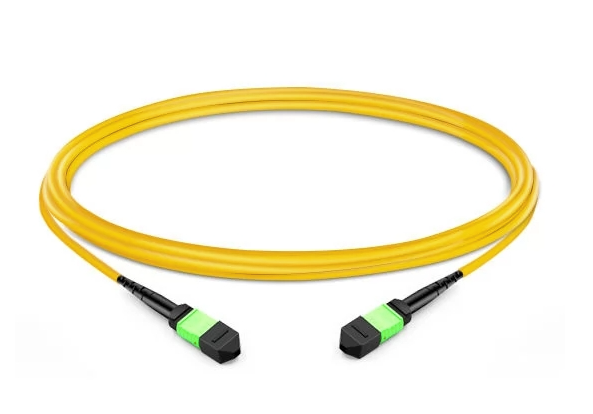
The rapid growth of digital services has placed new pressure on network infrastructure, making efficient cabling solutions more important than ever. The 24F MTP trunk cable has emerged as a reliable option for handling high data loads while keeping installations organized and manageable. Its design reflects the evolving needs of modern networks, where speed, density, and flexibility all matter.
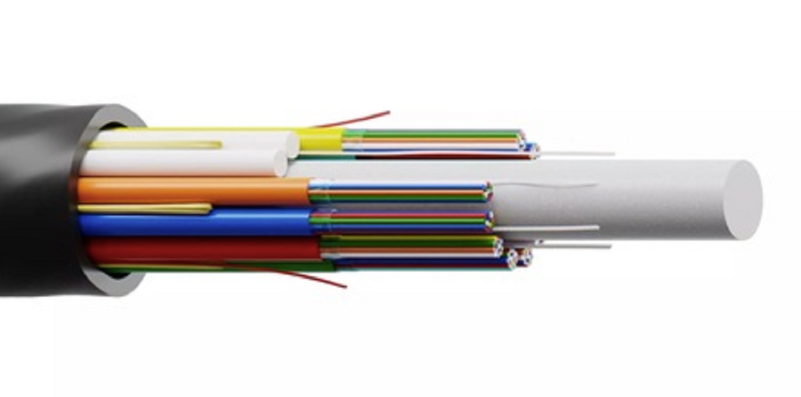
At its core, a 24F MTP trunk cable combines 24 individual optical fibers into a single, compact assembly. Equipped with MTP connectors, it enables multiple fiber connections in one interface, reducing the complexity often associated with traditional fiber setups. This makes it especially useful in environments where space is limited and performance expectations are high.
The Practical Benefits of Using 24F MTP Trunk Cable
One of the most noticeable advantages of the 24F MTP trunk cable is its ability to simplify cable management. Instead of running dozens of separate fiber lines, network designers can rely on a single trunk cable to handle multiple connections. This reduces clutter and creates a cleaner, more organized infrastructure.
In data centers, where racks are often packed with equipment, this streamlined approach improves airflow and accessibility. Technicians can trace connections more easily, which helps during maintenance or troubleshooting. The reduced cable bulk also minimizes the chances of accidental damage or disconnection.
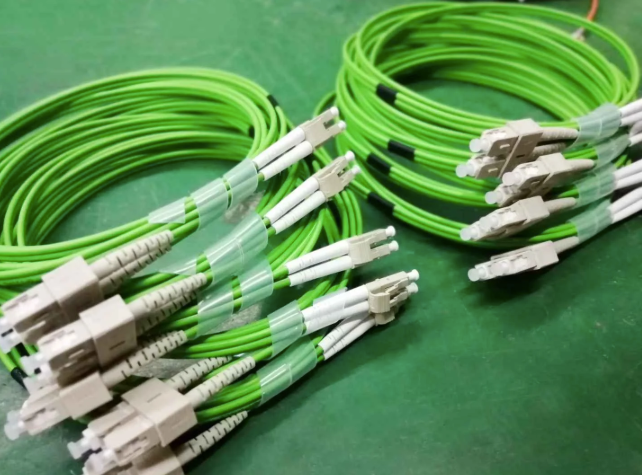
Another benefit is the speed of deployment. Pre-terminated trunk cables arrive ready for installation, eliminating the need for on-site splicing or connector termination. This not only saves time but also ensures consistent quality, as the cables are typically tested in controlled manufacturing environments.
Performance Considerations in High-Speed Environments
As network speeds continue to increase, maintaining signal integrity becomes more challenging. The 24F MTP trunk cable addresses this by supporting parallel data transmission across multiple fibers. This capability is particularly valuable for high-bandwidth applications such as cloud computing, video streaming, and large-scale data processing.
The precision of MTP connectors also plays a key role in performance. Proper alignment between fibers ensures low insertion loss and stable signal transmission. When installed correctly, these cables can support advanced network standards without compromising reliability.
It is also worth noting that these cables are designed to handle both single-mode and multi-mode fiber applications. This versatility allows network planners to choose the most suitable configuration based on distance and bandwidth requirements.
See also: How Technology Is Changing Influencer Marketing
Installation and Planning for Long-Term Use
While the design of a 24F MTP trunk cable simplifies many aspects of deployment, careful planning is still essential. Understanding polarity and fiber mapping is crucial to ensure that signals are transmitted correctly between devices. Even a well-designed system can experience issues if these details are overlooked.
Physical handling during installation is another important factor. Fiber cables should not be bent beyond their recommended radius, as this can affect signal performance. Proper routing and securing of cables help maintain their integrity over time.
Clean connectors are equally important. Dust or debris can interfere with signal transmission, so regular inspection and cleaning should be part of routine maintenance. These small practices contribute to the overall reliability of the network.
Preparing Networks for Future Demand
The demand for faster and more reliable connectivity shows no signs of slowing down. Technologies such as edge computing and high-definition content delivery are pushing networks to their limits. In this context, scalable solutions like the 24F MTP trunk cable provide a solid foundation for growth.
By enabling high-density connections and efficient data transmission, these cables help networks adapt to increasing workloads without constant redesign. Their modular nature also makes it easier to expand capacity as needed, supporting long-term infrastructure planning.
Conclusion
The 24F MTP trunk cable offers a practical and efficient approach to managing modern fiber networks. Its ability to combine high-density connectivity with streamlined installation makes it a valuable component in today’s data-driven world.
As organizations continue to expand their digital capabilities, adopting solutions that balance performance and scalability becomes essential. The 24F MTP trunk cable meets these needs by providing a reliable pathway for both current demands and future advancements.