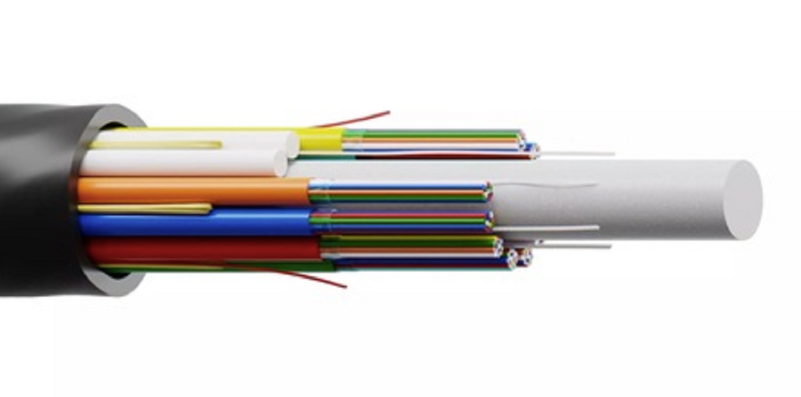
As modern connectivity demands continue to grow, network infrastructure is being pushed to become more efficient, compact, and resilient. One innovation addressing these needs is the micro fiber armored cable, a solution designed to deliver high performance in limited spaces while maintaining strong protection against external damage.
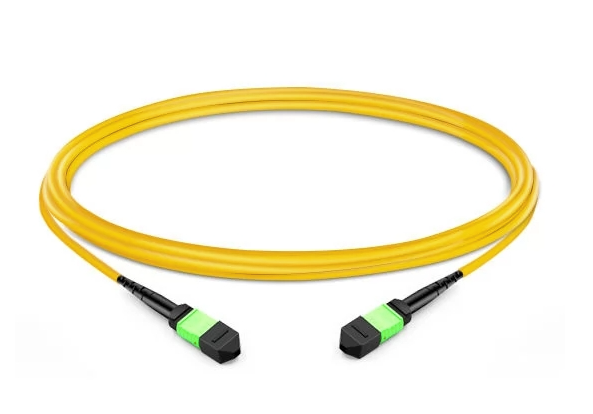
A micro fiber armored cable combines the benefits of micro-sized optical fibers with an added layer of armor, making it ideal for dense installations and challenging environments. Its compact structure allows more fibers to be installed in tight ducts, while the armored design ensures durability in both indoor and outdoor applications.
The Evolution of Fiber Cable Design
Traditional fiber optic cables were often bulky and required significant space for installation. As urban networks expanded and data centers became more complex, the need for smaller, more efficient cabling solutions became clear.
Micro fiber technology addresses this by reducing the diameter of the cable without compromising capacity. When paired with armored protection, the result is a cable that can handle physical stress while supporting high-density fiber deployment.
This combination is particularly useful in modern infrastructure projects, where space is limited but performance expectations remain high.
Benefits of Using Micro Fiber Armored Cable
One of the main advantages of this cable type is its space efficiency. Network planners can install more fibers within the same conduit, reducing the need for additional ductwork. This not only saves space but also simplifies future network expansion.
Durability is another key benefit. The armored layer protects the delicate optical fibers from mechanical damage, such as crushing, bending, or rodent interference. This makes the cable suitable for environments where standard fiber might be at risk.
Flexibility also plays an important role. Despite its armored construction, the cable remains relatively easy to handle and install. This balance between strength and flexibility allows for smoother deployment, even in complex routing scenarios.
Micro Fiber Armored Cable in High-Density Networks
The increasing reliance on cloud services, streaming platforms, and smart technologies has led to a surge in data traffic. To support this growth, networks must accommodate higher fiber counts within limited infrastructure.
Micro Fiber Armored Cable for Urban and Data Center Use
In urban areas, where underground space is often restricted, micro fber armored cable provides a practical solution. It allows service providers to upgrade network capacity without extensive excavation or infrastructure changes.
Data centers also benefit from this technology. High-density fiber routing is essential for maintaining efficient connections between servers, switches, and storage systems. The compact nature of micro fiber cables helps optimize space while ensuring reliable performance.
Additionally, the armored design enhances cable longevity, reducing the likelihood of damage during installation or maintenance activities.
See also: How Technology Is Changing Influencer Marketing
Installation and Practical Considerations
While micro fiber armored cable offers many advantages, proper installation practices remain important. Careful handling ensures that the fibers inside are not subjected to excessive stress during deployment.
Choosing the right type of armor and cable specification depends on the environment. For example, outdoor installations may require additional protection against moisture and temperature fluctuations, while indoor setups may prioritize flexibility and ease of routing.
Regular inspection can also help maintain long-term performance. Even though the armored layer provides strong protection, monitoring cable condition ensures that any issues are addressed early.
Conclusion
The demand for faster, more reliable connectivity continues to reshape how networks are designed and built. Micro fiber armored cable stands out as a solution that meets these evolving requirements by combining compact design with robust protection.
By enabling high-density installations and offering enhanced durability, micro fiber armored cable supports the development of efficient and future-ready infrastructure. As technology continues to advance, this type of cable is likely to play an increasingly important role in modern communication networks.