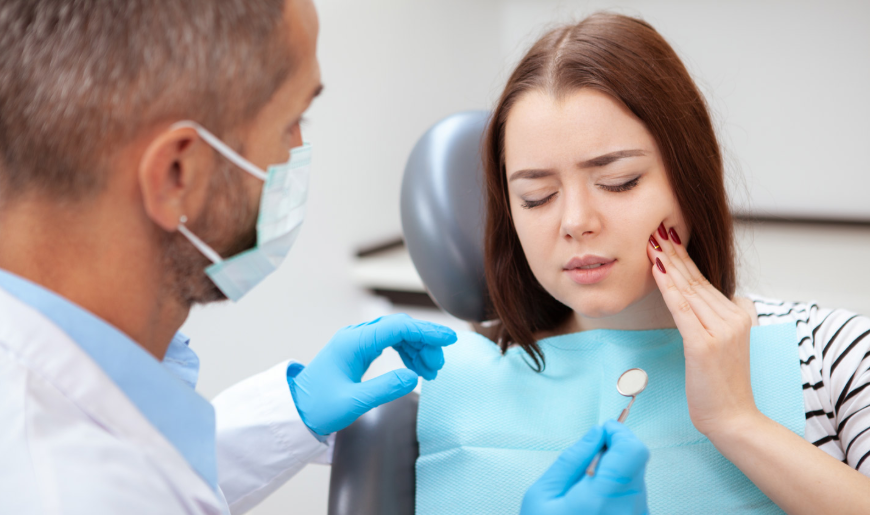
Dental problems can occur suddenly and knowing whether an issue is an emergency can make a big difference to your oral health. Some conditions require immediate attention to prevent pain, infection, or permanent damage, while others can safely wait for a routine appointment. Understanding what qualifies as a dental emergency helps you act quickly and confidently when problems arise.
What Is Considered a Dental Emergency?
A dental emergency is any oral health issue that requires urgent care to relieve severe pain, stop bleeding, treat infection, or save a tooth. These situations often worsen quickly if left untreated and may lead to serious complications affecting both oral and general health.
Common Dental Emergencies
Several dental issues are widely recognised as emergencies and should be treated as soon as possible. These include intense toothaches that do not improve, infections or abscesses that cause swelling or fever, knocked-out teeth, broken or fractured teeth causing pain, and uncontrolled bleeding from the mouth or gums. Facial or jaw swelling linked to dental pain is also a serious warning sign. In these situations, seeking help from an emergency dentist Hornsby can ensure prompt treatment and reduce the risk of complications.
See also: Dental Problems That May Not Be Emergencies
Dental Problems That May Not Be Emergencies
Not all dental concerns need urgent care. Mild tooth sensitivity, small chips without pain, lost fillings or crowns that are not causing discomfort, and cosmetic issues generally do not qualify as emergencies. While these problems should still be assessed by a dentist, they can often be managed during a regular appointment.
Signs You Should Seek Immediate Dental Care
Certain symptoms indicate that urgent dental care is needed. These include severe or persistent pain, swelling of the face, jaw, or gums, fever associated with dental pain, pus or signs of infection, and difficulty chewing, swallowing, or opening the mouth. These signs suggest a serious underlying issue that should not be delayed.
What to Do in a Dental Emergency
If you experience a dental emergency, it’s important to stay calm and act quickly. Rinse your mouth gently with warm water, use a cold compress to reduce swelling, and avoid placing aspirin directly on the gums. For a knocked-out tooth, keeping it moist in milk or saliva may improve the chance of saving it. If swelling affects breathing or swallowing, a hospital emergency department should be contacted immediately.
Why Prompt Treatment Matters
Seeking immediate treatment during a dental emergency can prevent infections from spreading, reduce pain, and increase the chance of saving damaged teeth. Early intervention often leads to simpler and less costly treatment, while delays can result in tooth loss or more complex dental procedures.
Wrapping Up
Not every dental issue is an emergency, but recognising the signs of a serious problem is essential. Severe pain, swelling, infection, or trauma should always be taken seriously and assessed promptly. When in doubt, seeking professional advice quickly can protect your oral health and prevent long-term complications.