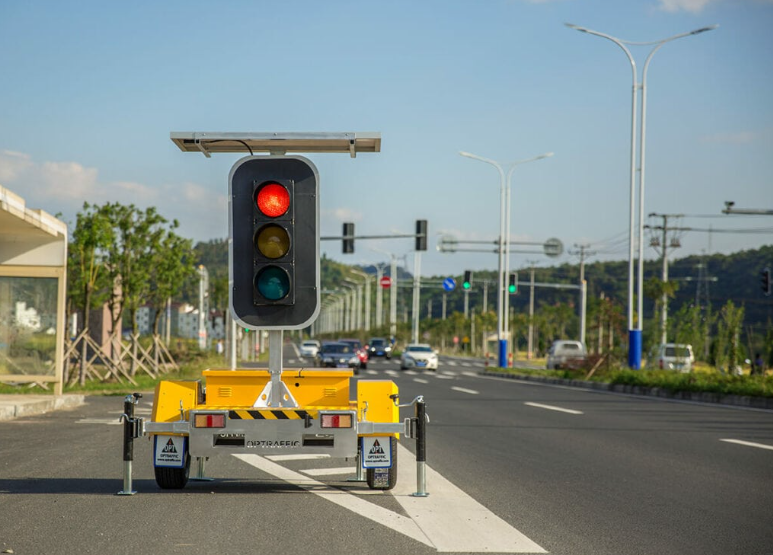
An LED traffic signal has become a critical component of modern traffic management, providing brighter, more reliable, and energy-efficient signaling for intersections across cities worldwide. Unlike traditional incandescent traffic lights, LED signals deliver consistent illumination, enhanced visibility, and longer operational life. As urban traffic increases and road safety becomes a greater priority, LED traffic signals are proving essential for efficient, safe, and sustainable transportation systems.
Traffic management relies heavily on visibility and clarity, and LED traffic signals deliver both. Their bright, focused light ensures that drivers, pedestrians, and cyclists can easily interpret signals, even in adverse weather conditions or low-light environments. This consistent performance improves road safety while reducing operational challenges for municipalities.
How LED Traffic Signals Work
LED traffic signals operate using light-emitting diodes, which efficiently convert electricity into light. Multiple LEDs are arranged to form the red, yellow, and green lights of a standard traffic signal. This arrangement ensures uniform brightness, sharp contrast, and high visibility from various distances and angles.
Unlike incandescent bulbs that can take time to reach full brightness, LEDs illuminate instantly, providing immediate visual cues to drivers. Their solid-state design also makes them highly resistant to vibrations, temperature fluctuations, and daily wear, ensuring long-term reliability even at busy intersections.
See also: How Technology Is Changing Influencer Marketing
Energy Efficiency and Environmental Benefits
One of the key advantages of LED traffic signals is energy efficiency. They consume significantly less electricity compared to conventional bulbs, lowering energy costs for cities and contributing to environmental sustainability. Over time, the energy savings are substantial, especially when multiple intersections are equipped with LED technology.
Additionally, LEDs have a long operational life, often exceeding 50,000 hours. This reduces the need for frequent replacements, minimizing maintenance work and material waste. By combining energy efficiency with durability, LED traffic signals offer both economic and ecological benefits.
Enhancing Road Safety
Visibility and reliability are critical for road safety, and LED traffic signals excel in both areas. Their bright illumination is easily seen in rain, fog, and nighttime conditions, allowing drivers to respond promptly. This helps prevent accidents caused by sudden braking, missed signals, or unclear instructions.
Many LED traffic signal systems are also compatible with adaptive traffic management technology. These systems adjust signal timing based on real-time traffic data, reducing congestion and ensuring smoother traffic flow. By integrating visibility with intelligent control, LED traffic signals significantly enhance overall road safety.
Durability and Maintenance Advantages
LED traffic signals are designed to withstand challenging conditions, including heavy traffic, vibrations, and extreme weather. Unlike traditional bulbs, LEDs are less prone to burnout, ensuring uninterrupted performance. Routine maintenance is minimal, usually limited to lens cleaning and periodic inspections, which reduces both labor and operational disruptions.
The combination of robust construction, low maintenance needs, and energy efficiency makes LED traffic signals a cost-effective solution for urban infrastructure. Municipalities benefit from long-term reliability while providing safer and more sustainable roadways for residents.
The Future of LED Traffic Signals
As cities adopt smart transportation solutions, LED traffic signals are expected to integrate more closely with connected vehicle systems and intelligent traffic networks. Features such as remote monitoring, predictive traffic control, and wireless communication will further improve road safety and traffic efficiency.
In conclusion, the LED traffic signal is more than a simple road fixture. Its enhanced visibility, energy efficiency, and durability make it a cornerstone of modern traffic management. By improving safety, reducing operational costs, and supporting sustainable urban planning, LED traffic signals are shaping the future of smarter, safer road networks.