Most homeowners do not think much about what sits beneath a roof until water finds a way inside. By the time a stain appears on a ceiling or paint starts to bubble near an upper wall, the problem has usually moved past the surface. Water that seeps beneath asphalt shingles can remain hidden for a while, spreading through materials not meant to stay damp. That is one reason timely roof repair brigham city matters. The issue is often less about one visible leak and more about what moisture is doing out of sight.
Asphalt shingles are built to shed water, not hold it. When they are intact and properly sealed, rain runs off the roof before it has a chance to sink in. Once that protective layer is breached, even in a small area, moisture can work its way beneath the shingles and reach the underlayment, the roof deck, and nearby structural components. What starts as a narrow entry point can turn into a repair that reaches far beyond the original spot.
Why Water Beneath Shingles Becomes a Bigger Problem
The outer surface of a roof takes most of the attention because it is the part people can see from the ground. The real concern begins once water gets past that outer layer. Beneath asphalt shingles, the roof depends on a series of materials working together. Underlayment adds protection. Decking provides a stable base. Flashing helps direct water away from vulnerable areas. When moisture reaches these layers, it begins to change how the whole system performs.
When water seeps beneath shingles, the wood beneath can begin to weaken faster than most people realize. It does not usually fall apart all at once. It gets softer over time, especially when the same area keeps getting wet after storm after storm. Once that wood loses strength, nails may start holding less firmly, and the shingles above can shift or loosen more easily. A leak that seems minor from inside the house can be tied to a section of the roof that is already starting to break down below the surface.
That kind of moisture also tends to hang around. Wood in enclosed roof areas does not dry out quickly, and insulation can retain moisture longer than expected. When that happens, the problem spreads beyond the shingles themselves. It can affect how well the home retains heat, create stale indoor air, and require repairs that involve more than just replacing a few roofing materials.
How Water Gets Under Asphalt Shingles
It does not take a major hole for water to work its way below shingles. A small crack, a lifted edge, failing sealant, or flashing that has started to pull away can be enough. Wind is often part of the problem because it loosens shingles and breaks the seal that helps keep them flat against the roof. Once that barrier is compromised, rain has an easier path underneath. During colder weather, melting water can also back up and slip beneath the lower edge of the shingles instead of flowing off the roof.
Age makes that more likely. As shingles wear down, they lose some of the flexibility that helps them withstand changing weather. They can start to curl, split, or wear thin. When the protective granules begin washing away, the surface becomes more exposed and less durable. A roof may still look mostly intact from the ground, while becoming much easier for water to penetrate during the next storm.
Installation problems can create trouble, too. Nails driven in the wrong place, flashing reused when it should have been replaced, or weak work around vents and other openings can leave vulnerable spots behind. Those flaws are easy to miss at first, but they can give moisture just enough access to start damaging the layers below.
What Damage Often Happens Out of Sight
One of the hardest parts of a roof leak is that the source and the visible sign rarely line up neatly. Water can move along the roof deck or follow framing before it finally shows itself indoors. A stain on the ceiling may look like one small issue, but it is often just the end of a much longer path.
That hidden travel is what makes the moisture beneath the surface so destructive. Roof decking can rot slowly without any immediate sign in the living space. Insulation can stay damp and lose effectiveness. Wood framing may begin to discolor or weaken. In enclosed areas, trapped moisture can create stale odors that seem minor at first but point to a larger issue developing overhead.
This is why people sometimes underestimate the seriousness of a small leak. The opening may be narrow, but the affected area can be much larger than expected by the time someone notices it indoors.
See also: Tips for Hiring a Reliable Electrician for Your Home
Signs the Problem May Have Spread
Signs of a roof problem often show up inside the house before anyone notices damage outside. A stain on the ceiling is one of the most common clues. Peeling paint near the top of a wall, damp insulation in the attic, dark spots on wood, or a musty smell after it rains can also point to moisture getting in above the living space.
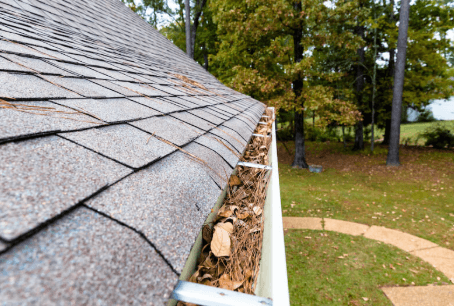
The outside signs are not always as easy to catch. A few shingles may start curling at the edges, cracking, or wearing down faster in one area than the rest of the roof. Flashing around vents or other openings may look loose or out of place. Granules collecting in the gutters can be another sign that the surface is wearing down. On their own, these issues may seem minor, but together they can point to a roof that is starting to let water in.
Looking at the Roof as a System
The biggest mistake people make is thinking of shingles as the whole roof. They are only the outer layer. Once moisture gets below them, the condition of everything underneath starts to matter just as much. Underlayment, decking, flashing, ventilation, and drainage all play a role in whether the roof dries properly and stays structurally sound.
That is why roof repair brigham city should focus on more than the most obvious damaged spot. A roof performs as a system, and repairs hold up best when they address the full path of the problem. Water beneath asphalt shingles is never something to brush aside. The sooner it is found and corrected, the better the chance of avoiding more serious damage, repeated leaks, and more expensive work later.