Fire safety in residential buildings is a critical responsibility for property owners, landlords, and building managers. Residential properties often house people with varying levels of mobility, awareness, and familiarity with emergency procedures, making effective fire risk assessment essential. A well-conducted fire risk assessment helps identify hazards, reduce risks, and ensure that residents can evacuate safely in the event of a fire. This article explains best practices for carrying out fire risk assessments in residential buildings.
Understanding Fire Risk Assessment in Residential Settings
A fire risk assessment in a residential building is a systematic review of the property to identify fire hazards and evaluate the risks they pose to occupants. It focuses on common areas such as corridors, stairwells, plant rooms, and shared facilities, while also considering risks that may arise from individual living units.
The assessment examines how a fire could start, how it might spread, and who could be affected. Best practice involves tailoring the assessment to the type of residential building, whether it is an apartment block, shared house, or mixed-use property.
Legal Responsibilities and Accountability
Residential fire safety laws often place responsibility on landlords, property owners, or managing agents. These responsible persons are legally required to ensure that fire risk assessments are carried out, documented, and kept up to date.
Best practice involves clearly defining responsibilities for fire safety management, maintenance, and emergency planning. This ensures accountability and consistent implementation of fire safety measures throughout the building.
Identifying Common Fire Hazards in Residential Buildings
Residential buildings contain a range of potential fire hazards that must be carefully assessed. Common ignition sources include electrical installations, heating systems, cooking appliances, and portable heaters. Faulty wiring and overloaded sockets are frequent causes of residential fires.
Fuel sources may include furniture, carpets, curtains, personal belongings, and waste materials. Poor housekeeping in shared areas, such as cluttered corridors or storage of flammable items, can increase fire spread. Oxygen sources, including ventilation systems and open windows, should also be considered.
See also: What Does a Land Surveyor Do?
Protecting Residents and Vulnerable Occupants
A key best practice in residential fire risk assessment is identifying people at risk. This includes residents, visitors, and contractors working on the premises. Special consideration should be given to vulnerable occupants, such as elderly residents, children, people with disabilities, or those with limited mobility.
Personal emergency evacuation plans may be required for individuals who need assistance during an evacuation. Clear communication and signage also help residents understand evacuation procedures.
Fire Detection, Warning, and Safety Systems
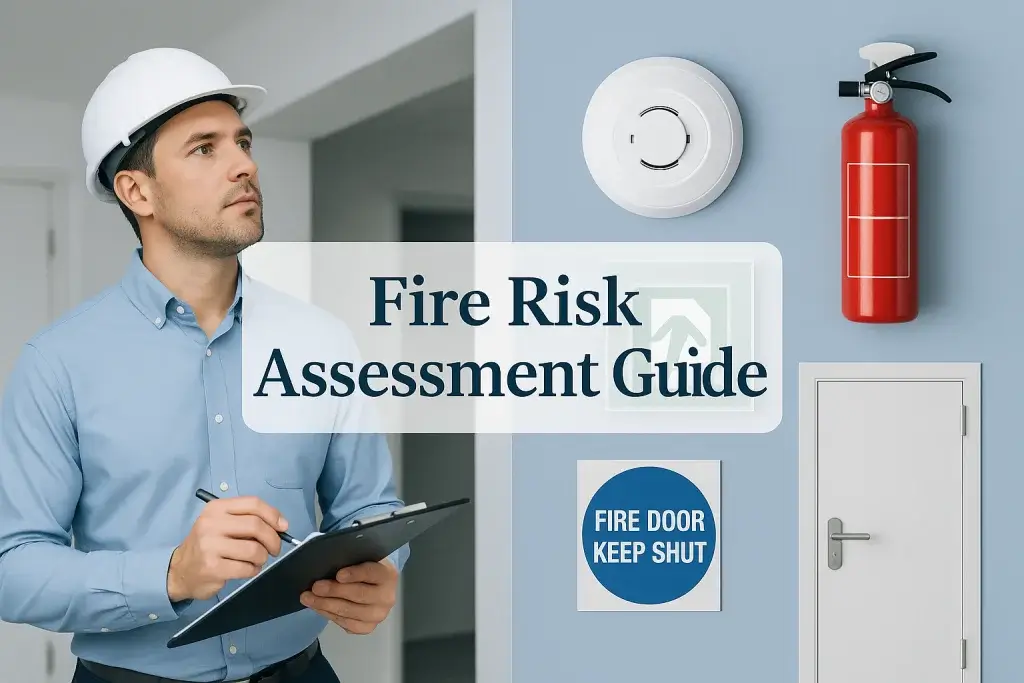
Effective fire detection and warning systems are essential in residential buildings. Smoke alarms, heat detectors, and fire alarm systems should be installed in appropriate locations and maintained regularly.
Best practice includes ensuring alarms are audible throughout the building and, where necessary, supplemented with visual alerts. Fire doors, compartmentation, and fire-resistant materials help limit fire spread and protect escape routes.
Escape Routes and Evacuation Planning
Safe and accessible escape routes are central to residential fire safety. Corridors, stairwells, and emergency exits must be kept clear at all times and well-lit with emergency lighting.
Evacuation strategies should be clearly defined and appropriate for the building type. Assembly points should be identified, and residents should be informed of evacuation procedures through notices or welcome information.
Maintenance, Inspection, and Record Keeping
Regular maintenance and inspection are best practices for maintaining fire safety. Fire alarms, emergency lighting, fire doors, and firefighting equipment should be tested and serviced according to regulations.
Accurate record keeping helps demonstrate compliance and ensures issues are addressed promptly. Fire risk assessments should be reviewed regularly and updated whenever changes occur, such as building alterations or changes in occupancy.
Training, Awareness, and Communication
While residents are not typically trained like employees, awareness is still crucial. Best practice includes providing clear fire safety information, signage, and instructions to residents and visitors.
Building managers and staff should receive appropriate fire safety training to handle emergencies and support evacuations effectively.
Conclusion
Fire risk assessment in residential buildings is essential for protecting lives and property. By following best practices—identifying hazards, protecting vulnerable occupants, maintaining safety systems, and reviewing assessments regularly—property owners and managers can significantly reduce fire risks. A proactive and well-managed fire risk assessment ensures safer living environments and greater peace of mind for everyone involved.