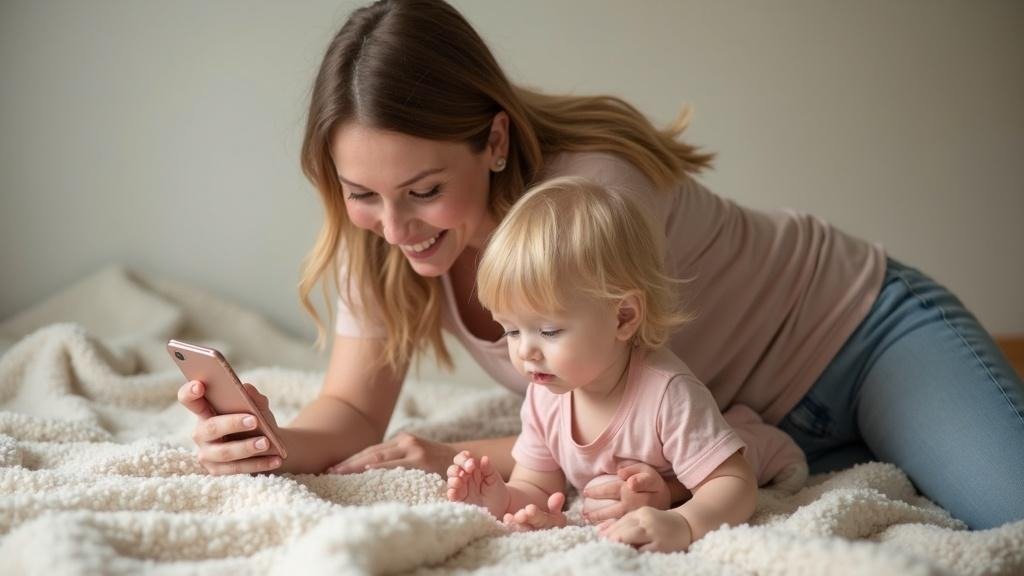
Some children are naturally quiet, reserved, or hesitant in new social situations. They may take longer to speak to unfamiliar people, join group activities, or feel comfortable in a new environment. Being shy is not a problem that needs to be “fixed,” but children can benefit from opportunities that help them become more comfortable expressing themselves.
Martial arts can provide one such environment. A structured class gives children a chance to learn physical skills, follow routines, interact with other students, and experience small achievements over time. For some children, Kids Martial Arts can become a positive setting where confidence and social skills develop gradually.
Why Shy Children May Benefit From Structured Activities
Shy children often feel more comfortable when they know what to expect.
A Kids Martial Arts class usually follows a recognizable structure. There may be a warm-up, technique practice, partner exercises, games, and a closing routine. This predictability can make a new environment feel less overwhelming.
Instead of being expected to immediately socialize with everyone, a child can focus on learning the activity first.
As they become familiar with the instructor and classmates, social interaction can become more natural.
Confidence Grows Through Small Achievements
Confidence does not appear overnight.
A child may begin by learning a simple stance or movement. Later, they may learn a combination, complete a form, or participate in a partner exercise.
Each small accomplishment can show the child that they are capable of learning something new.
For a shy child, these experiences can be especially meaningful because they provide opportunities to succeed without requiring them to become the loudest or most outgoing person in the room.
Research on youth martial arts has found potential benefits for self-efficacy and other areas of development, although results vary between programs and studies. A randomized study of secondary-school students, for example, found improved self-efficacy after a short martial arts intervention.
Martial Arts Does Not Require Children to Change Their Personality
Being shy does not mean a child needs to become extremely talkative.
The goal should not be to turn a quiet child into someone completely different.
Instead, training can help children become more comfortable with:
- Speaking when they need help
- Trying unfamiliar activities
- Meeting new classmates
- Participating in group exercises
- Expressing their opinions
- Handling mistakes
- Taking on new challenges
A child can remain naturally quiet while becoming more confident.
Learning to Speak Up
Martial arts classes often require children to listen, respond to instructions, and communicate with instructors or training partners.
A shy child may initially answer questions quietly or avoid volunteering.
With encouragement and repeated practice, they may gradually become more comfortable speaking.
Simple experiences can make a difference, such as:
- Saying their name during introductions
- Asking an instructor a question
- Responding to instructions
- Telling a partner when they are ready
- Demonstrating a technique
- Talking about their progress
These small interactions can provide valuable practice for everyday communication.
Partner Training Can Encourage Social Interaction
One of the useful aspects of martial arts is that children may train with different classmates.
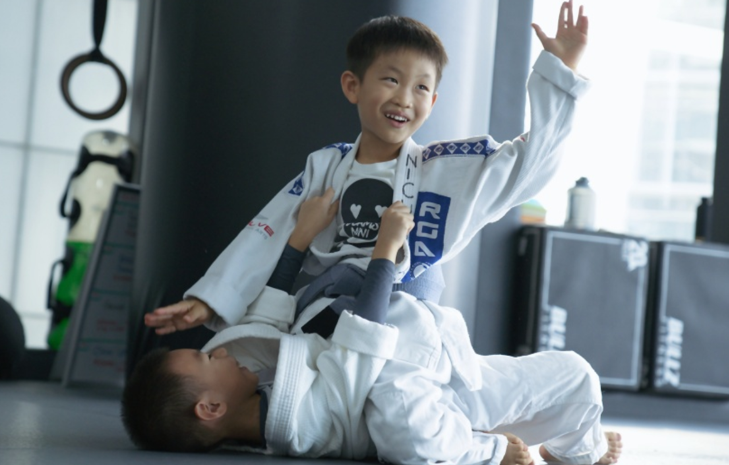
Partner exercises can encourage children to communicate, take turns, follow instructions, and respect personal space.
For a shy child, this can provide a structured way to interact with another person without the pressure of figuring out what to say or do.
The activity itself gives them a shared purpose.
Instead of simply being told to “make friends,” they have a task to complete together.
Children Learn to Cooperate
Although martial arts may look like an individual activity, many classes involve cooperation.
Students may practice techniques together, hold training equipment for one another, or participate in group exercises.
These activities can teach children that progress does not always happen alone.
They learn to:
- Take turns
- Listen to others
- Follow instructions
- Encourage classmates
- Respect differences
- Work toward a shared goal
These are useful social skills both inside and outside the training environment.
A Sense of Belonging Can Make a Difference
A shy child may sometimes feel uncomfortable in large social groups.
A consistent martial arts class can give them a smaller community where they see familiar faces regularly.
Over time, recognizing the instructor and classmates can make the environment feel more comfortable.
The child may begin with one or two simple friendships rather than trying to interact with everyone.
That gradual process can be much easier for a naturally reserved child.
Learning How to Handle Mistakes
Children can sometimes avoid new activities because they are afraid of making mistakes in front of others.
Martial arts provides frequent opportunities to make mistakes and try again.
A child may forget a movement, lose balance, or perform a technique incorrectly.
A supportive instructor can show them that mistakes are a normal part of learning.
This can help children develop a healthier attitude toward challenges:
“I don’t know how to do this yet, but I can practice.”
That mindset can be useful at school, in sports, and in other activities.
Progression Gives Children Something to Work Toward
Many martial arts programs use a structured progression system.
Children may work toward new techniques, forms, skills, or belt levels.
Having clear goals can give shy children a reason to participate and continue practicing.
Instead of comparing themselves with other children, they can focus on their own progress.
A child who once struggled with a basic movement may eventually perform it confidently. Seeing this improvement can reinforce a positive sense of achievement.
Focus and Listening Skills
Martial arts requires children to pay attention to instructions and remember physical movements.
They may need to listen carefully before attempting a technique.
This creates regular opportunities to practice concentration.
The American Academy of Pediatrics notes that children’s martial arts training can involve physical activity, body control, mindfulness, goal setting, and competition, with research suggesting potential benefits for motor and cognitive skills.
For shy children, better focus can also make it easier to understand what is happening in a new environment.
Respect Is Part of the Learning Process
Martial arts programs often emphasize respectful behavior.
Children may learn to greet instructors, listen while others are speaking, treat training partners carefully, and follow class rules.
These routines can reinforce positive social behavior.
Respect also works both ways. Children learn that they deserve to be treated respectfully while also learning to treat others with consideration.
Physical Activity Can Support Overall Development
Martial arts is also an active form of exercise.
Children may develop:
- Balance
- Coordination
- Flexibility
- Agility
- Strength
- Body awareness
- General fitness
A systematic review found improvements in several areas of physical fitness among children participating in martial arts programs, including coordination, balance, flexibility, strength, agility, and cardiorespiratory fitness.
Feeling more comfortable with physical movement may also help some children feel more confident participating in other activities.
Martial Arts Can Teach Self-Control
Self-control is an important part of responsible martial arts training.
Children learn that physical skills should be practiced carefully and should not be used to intimidate classmates.
A good program emphasizes control rather than aggression.
Students learn to wait their turn, follow instructions, control their movements, and respect their partners.
These habits can contribute to a positive classroom environment.
It is worth remembering, however, that research does not establish martial arts as a guaranteed way to improve children’s social behavior or reduce aggression. A 2026 meta-analysis of randomized trials found no significant overall effects on aggression or prosocial behavior, highlighting the importance of the specific program and teaching environment.
The Instructor Matters
For a shy child, the instructor can have a major influence on the experience.
A good instructor should understand that not every child becomes comfortable at the same speed.
Parents can look for instructors who:
- Encourage rather than embarrass
- Give children time to adjust
- Explain instructions clearly
- Celebrate effort and progress
- Maintain a respectful atmosphere
- Avoid unnecessary pressure
- Supervise partner activities carefully
A shy child should feel supported, not forced to perform socially before they are ready.
Don’t Force a Child to Be Outgoing
Parents should avoid saying things like:
“Why don’t you talk to anyone?”
“Go make friends.”
“Don’t be shy.”
These comments can unintentionally make a child feel that something is wrong with them.
Instead, encourage small steps.
For example, a parent might say:
“You don’t have to talk to everyone today. Just say hello to your instructor.”
This makes the goal manageable.
Let Confidence Develop Naturally
Every child progresses differently.
One child may begin talking to classmates after a few weeks. Another may need several months before becoming comfortable.
Parents should focus on progress rather than comparison.
Signs of growing confidence might include:
- Entering class more comfortably
- Asking questions
- Speaking more clearly
- Participating without being asked
- Trying difficult techniques
- Working with new partners
- Recovering more easily from mistakes
These small changes can be more meaningful than simply becoming more talkative.
Choose a Child-Friendly Martial Arts Program
When considering Kids Martial Arts, parents should look beyond the style of martial art itself.
The environment is extremely important.
Before enrolling, consider whether the program offers:
- Age-appropriate instruction
- Qualified instructors
- Good supervision
- A positive atmosphere
- Clear safety rules
- Beginner-friendly classes
- Respectful student behavior
- Gradual skill progression
If possible, watching a class can help parents understand whether the environment suits their child.
Give Your Child Time to Adjust
The first few classes may be uncomfortable.
A shy child may stand quietly, avoid speaking, or stay close to a parent before class.
That does not necessarily mean the activity is unsuitable.
Give the child reasonable time to become familiar with the environment.
However, parents should also listen to their child. If the child consistently feels frightened, pressured, bullied, or uncomfortable, those concerns deserve attention.
The right environment should challenge children while still making them feel safe.
Encourage Effort Instead of Results
Praise can have a powerful effect on how children view themselves.
Instead of focusing only on winning or earning a new belt, parents can praise effort:
- “You kept practicing.”
- “You tried something difficult.”
- “You asked for help.”
- “You worked well with your partner.”
- “You didn’t give up.”
This teaches children that confidence comes from learning and persistence rather than being perfect.
Social Skills Can Extend Beyond the Dojo
The habits children practice during martial arts may become useful in other parts of life.
A child who becomes comfortable asking an instructor a question may eventually feel more comfortable asking a teacher for help.
A child who learns to work with a training partner may become more comfortable participating in group projects.
A child who learns to handle mistakes during training may become more willing to try challenging schoolwork.
These changes will not happen automatically for every child, but structured practice can create opportunities to develop them.
Martial Arts Should Be About More Than Fighting
Parents sometimes hesitate to introduce martial arts because they worry that their child will become aggressive.
A responsible children’s program should communicate the opposite message.
Children should learn that strength involves control and responsibility.
Training can emphasize:
- Respect
- Patience
- Discipline
- Awareness
- Cooperation
- Self-control
- Confidence
Physical techniques are simply one part of the broader learning experience.
Conclusion
Martial arts can provide shy children with a structured environment where they can gradually develop confidence, communication skills, coordination, and social comfort. Kids Martial Arts does not need to change a child’s personality or force them to become outgoing. Instead, it can give them repeated opportunities to try new things, work with others, handle mistakes, and experience personal progress.
The most important factor is choosing a supportive program with instructors who understand children’s different personalities and learning speeds. When children feel respected and encouraged, they can gradually become more comfortable participating and communicating.
For a naturally shy child, confidence may develop one small step at a time. A welcoming martial arts environment can give them the space, structure, and encouragement to take those steps at their own pace.