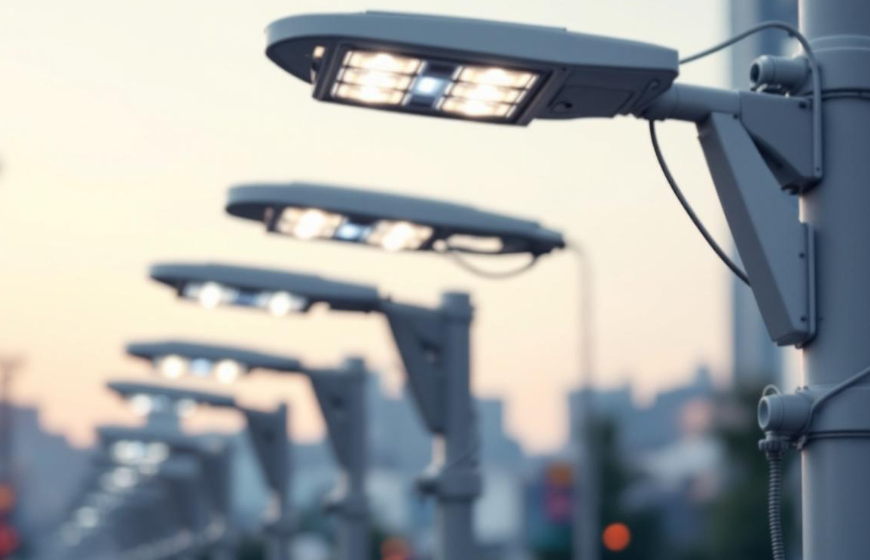
An LED street light manufacturer plays a quiet but critical role in shaping how modern cities function after sunset. Street lighting is no longer just about visibility; it affects safety, energy use, urban design, and long-term infrastructure planning. As cities grow and traffic increases, the demand for reliable and efficient lighting systems continues to rise.
LED street lighting has become the standard choice for urban and rural projects alike. Compared to traditional lighting, LED systems offer longer lifespans, consistent illumination, and better control over light distribution, making them suitable for diverse environments.
Why LED Street Lighting Has Replaced Conventional Systems
The shift toward LED technology is driven by practical needs rather than trends. LEDs consume significantly less energy while providing uniform brightness across roads, sidewalks, and public spaces. This efficiency helps municipalities reduce operational strain without compromising safety.
Another key advantage is durability. LED fixtures are designed to withstand harsh weather conditions, vibrations from traffic, and long operating hours. This reliability reduces maintenance interruptions and supports uninterrupted public services.
See also: How Technology Is Changing Influencer Marketing
The Responsibilities of an LED Street Light Manufacturer
How an LED Street Light Manufacturer Supports Urban Infrastructure
An LED street light manufacturer is responsible for more than producing light fixtures. The process includes research, material selection, optical design, and compliance with local and international standards. Each component must work together to deliver consistent performance over many years.
Manufacturers also consider factors such as light color temperature, glare control, and beam angle. These details influence driver visibility, pedestrian comfort, and the overall visual character of a street. Poorly designed lighting can cause shadows or excessive brightness, which may reduce safety rather than improve it.
Integration With Smart City Systems
Modern street lighting is increasingly connected to smart city networks. Many LED street light systems are compatible with sensors, adaptive controls, and remote monitoring platforms. This allows cities to adjust brightness based on traffic levels, weather conditions, or time of day.
For example, lights can dim during low-traffic hours and brighten automatically when vehicles or pedestrians are detected. This intelligent control improves energy management while maintaining public safety standards.
Environmental and Community Impact
Street lighting directly affects the environment and nearby communities. Properly designed LED lighting minimizes light pollution by directing illumination only where it is needed. This reduces glare for drivers, limits disruption to nearby residences, and protects local ecosystems.
Energy-efficient lighting also contributes to lower carbon emissions over time. By reducing electricity consumption across thousands of fixtures, cities can make meaningful progress toward sustainability goals without major infrastructure overhauls.
Quality Standards and Long-Term Performance
Consistency and quality are essential in street lighting projects. An LED street light manufacturer must ensure that each unit performs uniformly across large installations. Variations in brightness or color can create uneven lighting conditions, which may confuse drivers or reduce visibility.
Testing procedures typically include thermal performance analysis, water resistance checks, and long-duration operation simulations. These steps help ensure that lighting systems remain stable throughout their service life, even in challenging environments.
Planning for the Future of Urban Lighting
As urban planning evolves, street lighting must adapt to changing needs. New road designs, mixed-use developments, and pedestrian-focused spaces all require flexible lighting solutions. LED technology supports this adaptability through modular designs and programmable controls.
In the future, street lights may serve additional functions such as hosting communication equipment or environmental sensors. This makes the role of manufacturers even more important, as lighting infrastructure becomes part of a broader urban technology network.
Conclusion
The contribution of an LED street light manufacturer extends far beyond producing lighting fixtures. By delivering efficient, durable, and adaptable systems, manufacturers support safer roads, smarter cities, and more sustainable communities. As urban environments continue to evolve, reliable LED street lighting will remain a foundational element of modern infrastructure.