A mattress cover is a protective fabric layer that fits over your mattress to shield it from stains, spills, and everyday wear, and you should use one whenever you want to extend your mattress’s life and keep your bed hygienic.
Let’s be real here. Dealing with mattress stains, dust mites, and the constant worry about accidents (whether from kids, pets, or yourself) creates stress you don’t need.
At Ontex Healthcare, we’ve helped thousands of Australians protect their beds with quality solutions like our Kylie Mattress Cover. So we understand how frustrating it feels when you’re comparing mattress protector options but can’t figure out which one actually works.
In this article, we’ll share practical guidance to help you choose the right one. You’ll learn:
- The difference between covers and protectors
- When waterproof protection becomes necessary for your bed
- Mattress cover types and which one fits your needs
- Quality features that make fitted protectors worthwhile
Read on to find the right protection for your mattress.
What Is a Mattress Cover?
As we already mentioned, a mattress cover is a removable fabric layer that sits over your mattress and protects it from dirt, sweat, and everyday wear. It acts as a barrier between you and the mattress, keeping sweat, dead skin cells, and dirt from seeping through.
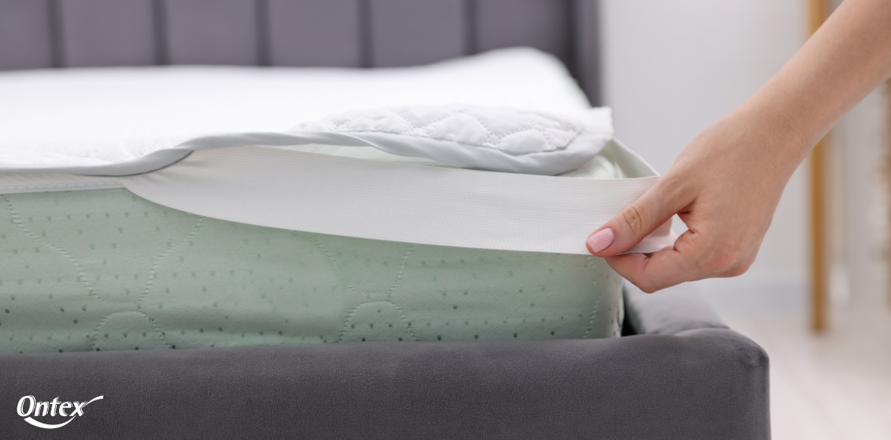
When you sleep, your body naturally sheds skin and releases moisture throughout the night. Without a cover, all of that goes straight into your mattress, where dust mites feed on it. Over time, this buildup creates an unhealthy sleeping environment that’s nearly impossible to clean properly.
Covers focus mainly on protection from everyday wear, though plenty of modern options give you comfort too. The right mattress protector adds a layer of defence that extends the life of your bed while keeping things fresh and hygienic underneath your sheets.
Mattress Cover vs Mattress Protector: Spotting the Difference
While mattress covers offer basic protection from dust and dirt, mattress protectors include waterproof barriers that stop liquids from soaking through. The thing is, most people use these terms interchangeably, and honestly, the names don’t always tell the full story.
What’s really important is whether you’re getting basic or waterproof protection. Basic covers are thinner and focus on keeping dust, dirt, and minor wear at bay. They’re fine for everyday bed hygiene.
Waterproof options (whether called covers or protectors) guard against spills, accidents, and moisture that can wreck your mattress for good. For example, products like the Kylie Fitted Mattress Cover provide full waterproof protection despite the “cover” name, proving the label is less important than the features.
We recommend choosing waterproof covers or protectors for children, pets, or incontinence. But if you simply need dust protection, pick basic covers. The choice depends on your household situation and what you’re protecting against.
Why You Need a Fitted Mattress Protector
A fitted mattress protector provides a waterproof barrier against spills, blocks allergens that trigger breathing problems, and stops stains that void your warranty. Naturally, keeping your mattress clean protects both your health and your investment.
Look at the three main reasons why protection is so important:
1. Keeping Dust Mites and Allergens Out
Dust mites feed on dead skin cells in your mattress, causing allergy flare-ups and asthma troublewhile you sleep. We aren’t making this up to scare you.
Research shows that within a couple of years, around 2 million of these pests can live in an unprotected bed. However, a fitted protector creates a physical barrier that stops these microscopic creatures from burrowing into your mattress fibres.
You’ll breathe easier and wake up less congested when allergens can’t reach you through your bedding layers. In fact, people with asthma notice the difference within weeks of adding proper protection.
2. Protection from Spills and Accidents
Coffee spills, pet accidents, or bedwetting can ruin a mattress in minutes without proper waterproof protection underneath. Once liquid soaks through to the mattress core, the damage is permanent and often voids your warranty completely.
Waterproof protectors let you simply strip the bed and throw the cover in the wash instead of panicking. This protection is especially valuable for families with young children or anyone managing incontinence at night.
3. Extending Your Mattress Investment
What if you could double the lifespan of your mattress with one simple purchase? Yes, that’s entirely possible with the right fitted mattress protector.
A quality mattress costs hundreds or even thousands of dollars, and stains or moisture damage can void your warranty completely. What’s more, most warranties require proof of proper protection, which means using a fitted mattress protector from day one.
Based on our experience, protectors add years to your mattress’s lifespan by preventing the breakdown of internal materials from body oils. The small cost of a protector saves you from replacing an expensive mattress years before you should. It’s the simplest way to protect one of your most important bedroom investments.
Now that you understand why protection is so important for your bed, let’s look at the different types of mattress covers available and which one suits your specific situation.
Types of Mattress Covers: Finding Your Perfect Match
Choosing the right type can feel overwhelming with so many options on the market (sounds tedious, we know). The good news is that most mattress and pillow protectors fall into a few main categories based on what they’re designed to protect against.
Here’s what’s available:
- Waterproof Protection: Waterproof covers use a polyurethane backing to create a liquid barrier. These work brilliantly for incontinence, bedwetting, or simply protecting against everyday spills that happen in busy households. No more panic over ruined mattresses.
- Allergen Defence: People with allergies or sensitive skin need protection from dust mites and bacteria. Hypoallergenic options can provide that barrier since they’re tightly woven to block dust mites and allergens that trigger asthma.
- Cooling Comfort: If you need something to manage body heat, then breathable cooling covers help you sleep comfortably. They use materials like bamboo or Tencel that wick moisture away and regulate temperature throughout the night.
- Basic Coverage: Most budget-friendly covers can handle everyday dust and dirt if you don’t need waterproof or allergen features.
The range of pillow protectors works the same way. Choose waterproof, hypoallergenic, or basic options to match your mattress protection and keep your entire bed safe.
See also: Serving with Purpose: The Impact of Community-Focused Nonprofits
Fitted Waterproof Mattress Protector: The Easy Fit Solution
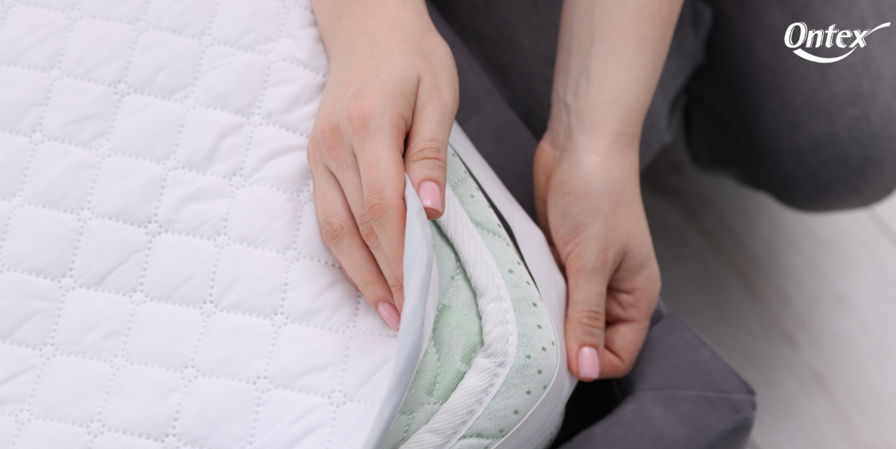
Based on our observations across hundreds of Australian households, fitted waterproof mattress protectors effectively resolve most bed protection issues in one go. They stretch over your mattress like a fitted sheet with elastic edges that hold everything securely in place. Plus, the design ensures a snug fit that won’t bunch up or slide around while you sleep.
What’s better, modern waterproof protectors stay quiet and breathable, unlike the old plastic options from years ago, which crinkled. Materials have improved dramatically, so you get waterproof protection without feeling like you’re sleeping on a plastic bag.
On top of that, you can machine wash most fitted protectors straight away to keep your bed fresh without any fuss or special care.
Here’s the simple process: Remove the protector, throw it in the wash, and place it back on your mattress once dry. This easy maintenance makes waterproof fitted options the smart choice for busy families and healthcare situations where regular washing is important.
What Makes a Quality Fitted Mattress Cover?
A quality fitted mattress cover combines waterproof protection with breathable fabric, secure elastic edges, and machine-washable materials that last for years.
This is where most people go wrong. They pick the cheapest option and end up replacing it within months.
Our tests revealed that several features separate high-quality protectors from those that don’t last. Check for these important qualities:
- Comfort Matters: Quality covers feel soft against your skin and stay silent when you move, not crunchy or plastic-like during sleep. Also, breathable fabrics like bamboo prevent body heat buildup and sweat, so you stay comfortable rather than waking up damp and cranky.
- Secure Fit: Deep pockets and strong elastic ensure the cover stays put on thicker mattresses without slipping off the corners. Look for fitted options that suit king, queen, double, or single sizes with secure fit features.
- Built to Last: When you choose durable construction, the protector lasts for years without tearing, pilling, or losing its waterproof barrier over time.
Useful Tip: Check the care instructions and label since most quality protectors can tumble dry on low heat without damage. Avoid bleach to ensure the waterproof layer stays intact.
Keep Your Mattress Protected, Sleep Better Tonight
At the end of the day, protecting your mattress comes down to choosing the right fitted waterproof mattress protector for your situation.
You might need waterproof protection for incontinence, allergen barriers for asthma, or simple dust defence. Whatever your needs, the right mattress and pillow protectors keep your bed clean and healthy. Don’t forget to add pillow protectors to complete your bedding protection. They work together to create a safe sleep environment.
At Ontex Healthcare, we offer a range of quality protection options designed for Australian families. Find the fitted mattress cover that suits your needs and start sleeping with confidence.